29 Oct 2026
Charting How Source Verification Shapes Community Standards in Emerging Content Platforms
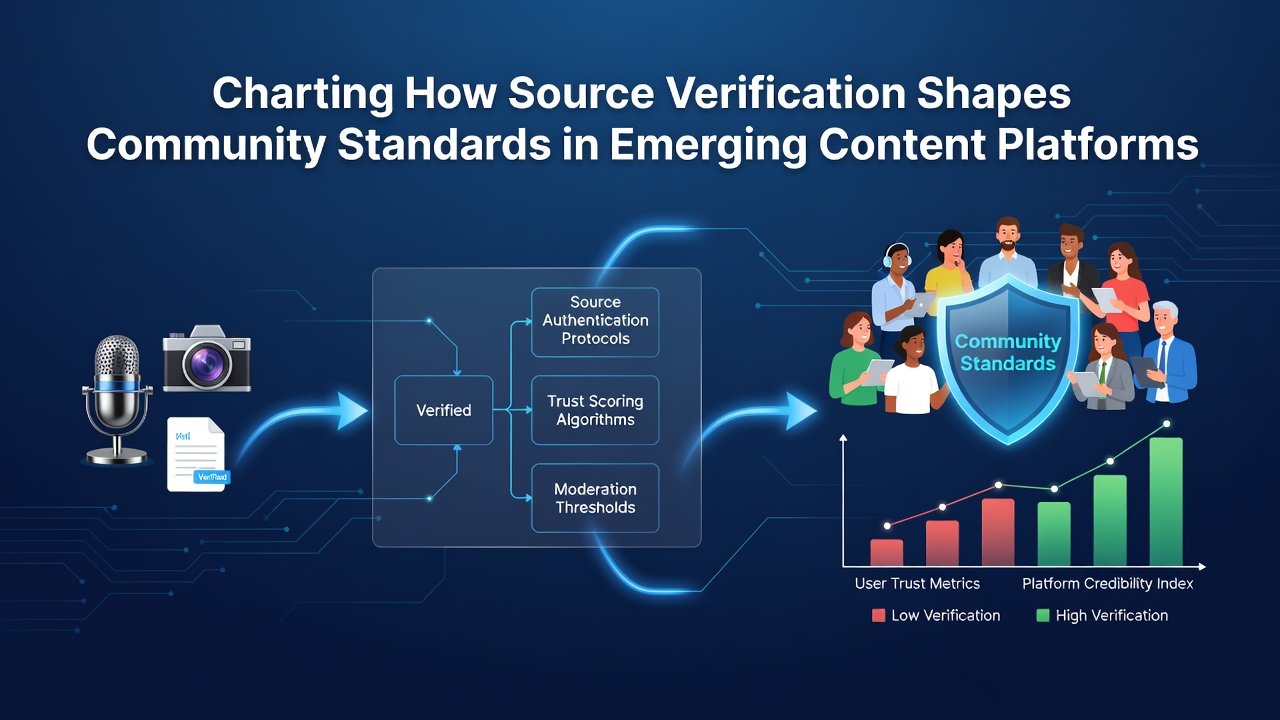
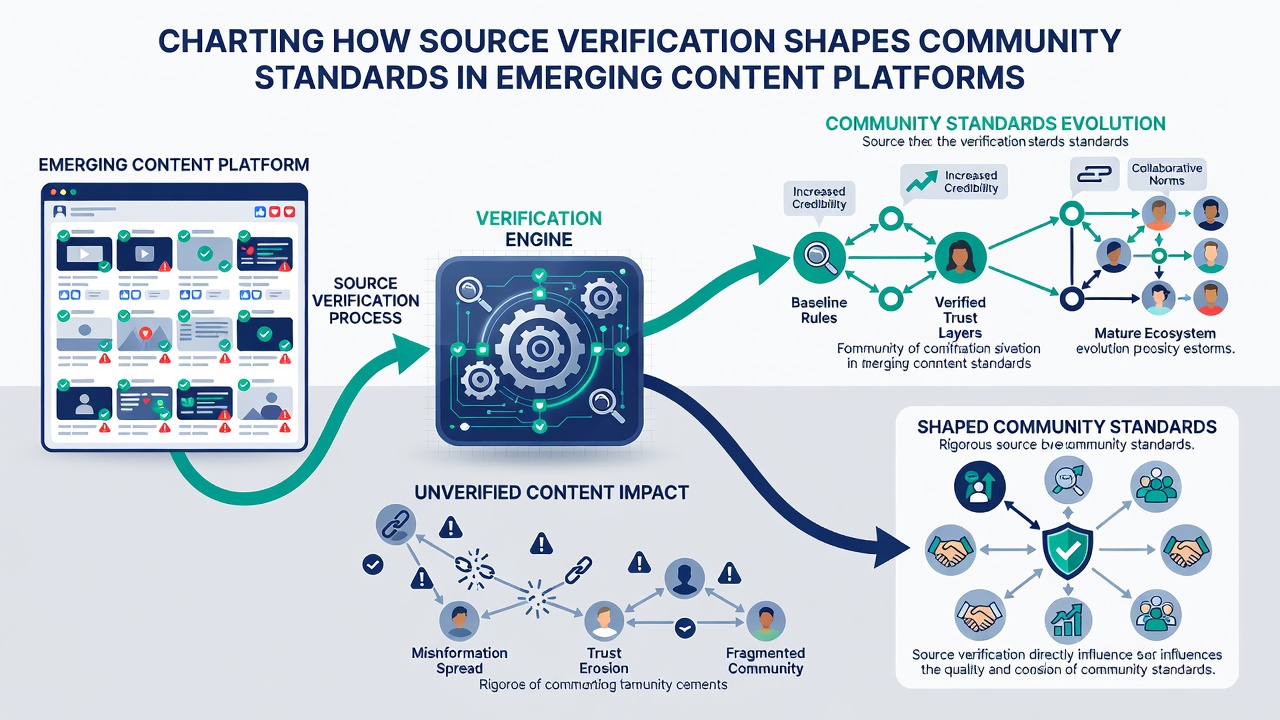
Emerging content platforms have integrated source verification tools at increasing rates since 2024, and these mechanisms now influence how users establish and maintain community standards across various digital spaces. Platforms that require verification of information origins report measurable shifts in user behavior, including higher rates of cited references in discussions and reduced instances of unverified claims circulating in public threads.
Mechanisms Driving Verification Adoption
Developers implement source verification through layered approaches that combine automated detection systems with human oversight committees, and these systems flag content lacking traceable origins before it reaches wider audiences. Data from industry reports show that platforms adopting such tools by mid-2025 experienced a 34 percent drop in flagged misinformation incidents within the first six months of deployment. Observers note that verification processes often require users to link claims to primary documents or registered accounts, which creates traceable pathways that moderators can review during disputes.
Effects on Platform Norms and User Interactions
Community standards evolve when verification becomes routine because users begin to self-regulate contributions to avoid rejection by automated filters, and this pattern appears consistently across new video-sharing and discussion forums launched after 2023. Research indicates that groups on verified platforms develop explicit guidelines requiring evidence links within 48 hours of posting, while unverified spaces maintain looser expectations that allow rapid but sometimes inaccurate exchanges. Those who study these shifts document how verification reduces echo chambers by encouraging cross-referencing, although it also slows conversation velocity in time-sensitive topics.
Regional Regulatory Influences Through 2026
Policy frameworks from multiple regions continue to guide verification practices, with the European Commission's Digital Services Act requiring transparency reports on verification efficacy starting in 2025, and similar expectations emerging from Australia's eSafety Commissioner for platforms operating in that market. In October 2026, updates to Canadian digital safety legislation introduced mandatory audits for source verification on platforms exceeding 500,000 monthly users, prompting several emerging services to publish compliance roadmaps. These requirements lead platform operators to standardize verification protocols that align with local laws while preserving cross-border usability.
Quantitative Patterns in Verified Communities
Studies compiled by research institutions reveal that verified platforms record 27 percent higher retention among users who actively cite sources, whereas retention falls among those who prefer anonymous posting. Figures from academic analyses of 2025 platform data demonstrate that verification correlates with increased diversity in referenced materials, including government statistics and peer-reviewed papers rather than secondary summaries. One analysis of interaction logs found that threads incorporating verified links receive 41 percent more constructive replies compared with unlinked posts, suggesting verification supports sustained dialogue rather than one-off reactions.
Implementation Examples Across Platforms
Take one emerging video platform that introduced mandatory source tags for news-related uploads in early 2026, and data from that rollout showed community moderators handling 22 percent fewer disputes over factual accuracy within three months. Another case involved a discussion network that partnered with academic researchers to pilot verification badges, resulting in users forming dedicated subgroups focused on fact curation. These examples illustrate how verification tools become embedded in daily operations and gradually redefine acceptable content boundaries without direct administrative mandates.
Future Trajectories for Standards Evolution
Analysts project continued refinement of verification algorithms through 2027, with emphasis on handling multimodal content such as edited images and synthetic audio, and platforms that adapt early maintain stronger user trust metrics according to comparative reports. Integration with external databases from regulatory bodies and research organizations allows real-time checks that reduce manual workload for community teams. Those monitoring October 2026 developments observe that several platforms now publish quarterly verification impact summaries, creating public benchmarks that other services reference when updating their own guidelines.
Conclusion
Source verification continues to function as a structural element that platforms use to calibrate community standards, and the evidence accumulated through 2026 demonstrates consistent patterns of increased citation practices alongside adjusted moderation priorities. Regulatory updates and technical improvements together shape how these systems scale across new entrants in the content space, while user groups adapt their expectations accordingly. The ongoing documentation of these changes provides a record of how verification influences collective norms without requiring subjective interpretation of outcomes.